How Long Do Winter Tires Last? Seasons, Kilometres and Tread Depth
Published Updated
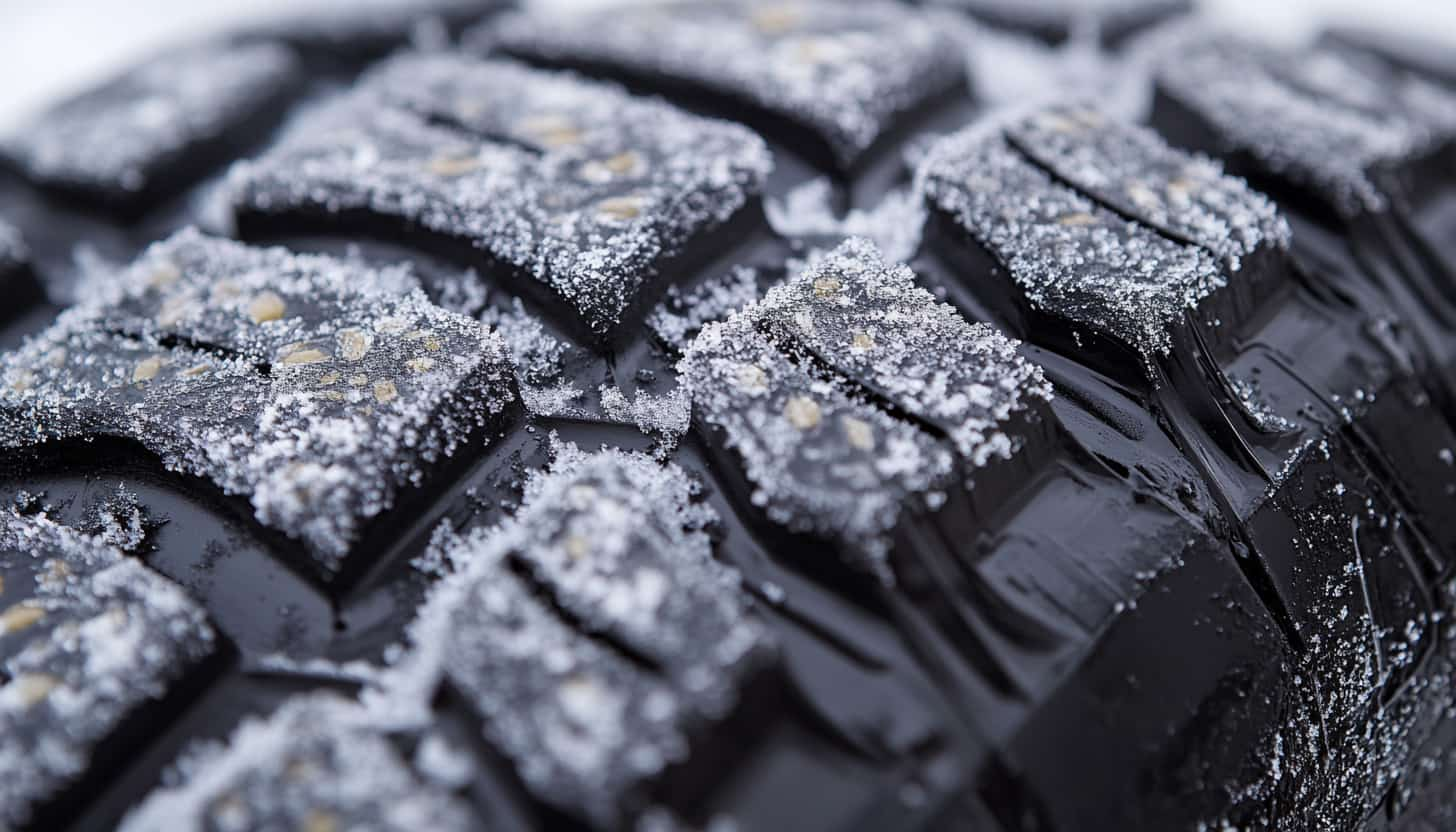
If you drive to the mountains every weekend, winter tires are the most important thing on the car. They're also expensive, so the obvious question is how many winters you'll get out of a set.
The usual answer is four to six seasons. Michelin Canada puts it at 4 to 6 seasons, or about 40,000 to 60,000 km of winter driving, and says badly stored tires can be done in 2 or 3. That range hides a lot. Tread depth and the date on the sidewall tell you more about your own set than a count of winters does.
What wears winter tires out faster
Winter tires use a softer rubber than all-seasons so they stay grippy in the cold. That softness is also why they wear faster, especially in the wrong conditions.
- Driving on warm, dry roads. This is the big one. A winter tire on 15°C pavement in April wears quickly and grips worse than an all-season. Swap them off when spring comes.
- How far you drive. A weekly 240 km round trip to Whistler adds up much faster than a short commute.
- How you drive. Hard braking, fast cornering and quick starts all scrub rubber.
- Pressure. Tire pressure drops as it gets colder, and under-inflated tires wear on the edges and handle worse.
- Alignment. A car that's out of alignment wears one edge of the tire, sometimes badly enough to ruin a set in a season.
- Storage. Leaving tires in a hot garage, in the sun, or next to a furnace over summer ages the rubber.
When to replace them
Tread depth
Winter tires need deeper tread than summer tires to grip in snow and slush. The tread has to bite into snow and push water out, and that stops working well long before a tire is legally bald.
A few reference points:
- In BC, a tire needs at least 3.5 mm of tread to count as a winter tire on the routes where they're required, according to the BC government.
- Consumer Reports' tire testing lead says to start shopping for new tires at 4/32 of an inch (about 3.2 mm), in general.
- For snow performance, plenty of shops suggest replacing winter tires at around 5/32 of an inch (4 mm). That's a rule of thumb, not a law.
A tread depth gauge costs a few dollars and takes the guessing out of it. Many winter tires also have wear bars or depth markers built into the grooves. Check a few spots across each tire, because uneven wear can hide on the inside edge.
Age
Rubber hardens with age even if the tire barely gets driven, and hard rubber is exactly what you don't want in the cold. Michelin says to inspect tires every year once they're five years old and replace them at 10 years from manufacture at the latest. NHTSA notes that some carmakers recommend replacing tires at six years, and that there's no single federal rule.
You can find the manufacture date on the sidewall: the last four digits of the DOT code are the week and year it was made, so "2321" means week 23 of 2021.
Damage
Cracks in the sidewall, bulges, cuts and patches of uneven wear are all reasons to get a tire looked at, whatever the tread depth.
When to put them on and take them off
CAA's advice is to switch to winter tires once temperatures are regularly at 7°C or below, because all-season rubber starts to harden around there (CAA's winter tire page). In practice that means before the first snow, not after it. Tire shops get booked up fast after the first cold snap.
In BC, winter tires (or chains) are required on most highways through mountain passes, including the Sea-to-Sky Highway to Whistler, from 1 October to 31 March, and some routes run later into spring. Studded tires are allowed from 1 October to 30 April. Check DriveBC for the route you're driving.
Take them off when it's consistently warmer in spring. Every week of warm, dry driving is wearing tread you'll want next winter.
What counts as a winter tire
Look for the three-peak mountain snowflake symbol on the sidewall. It means the tire passed a standard snow traction test. Tires marked only "M+S" (mud and snow) are usually all-seasons, and CAA doesn't treat them as winter tires, although BC law accepts M+S for its highway requirement.
All-weather tires carry the snowflake symbol but are made to stay on all year. They're a good option if you live somewhere mild and only drive to the snow sometimes, but a dedicated winter tire still grips better on ice.
Making them last
- Check pressure monthly in winter, when the tires are cold.
- Rotate them each season so they wear evenly.
- Get the alignment checked if the car pulls or you see uneven wear.
- Store them clean, cool, dry and out of the sun, either stacked flat (if they're off the rims) or hung or stacked on their rims.
- Mark each tire's position when you take it off, so you can rotate them next season.
Are winter tires worth it?
Quebec made winter tires mandatory in 2008, and the province's transport ministry reported a 36% drop in people killed or seriously injured in winter collisions afterwards. A later study of the same law found a net drop closer to 5%, so the size of the benefit is argued about. Both found fewer people hurt.
Running winter tires also means your summer or all-season set isn't wearing in winter, so the two sets last longer between them. The upfront cost hurts, but over five or six winters it's less than it looks.
AWD doesn't replace them either. It helps you get moving on snow, but it does nothing for stopping or turning on ice, and that's what winter tires are for.
If you're driving to the mountains with friends most weekends, it's also worth splitting the cost of the trip. We wrote a guide to ski carpooling from Vancouver that covers how much to ask passengers to chip in.