Mount Baker Skiing: Riding an Active Volcano from Vancouver
Published Updated
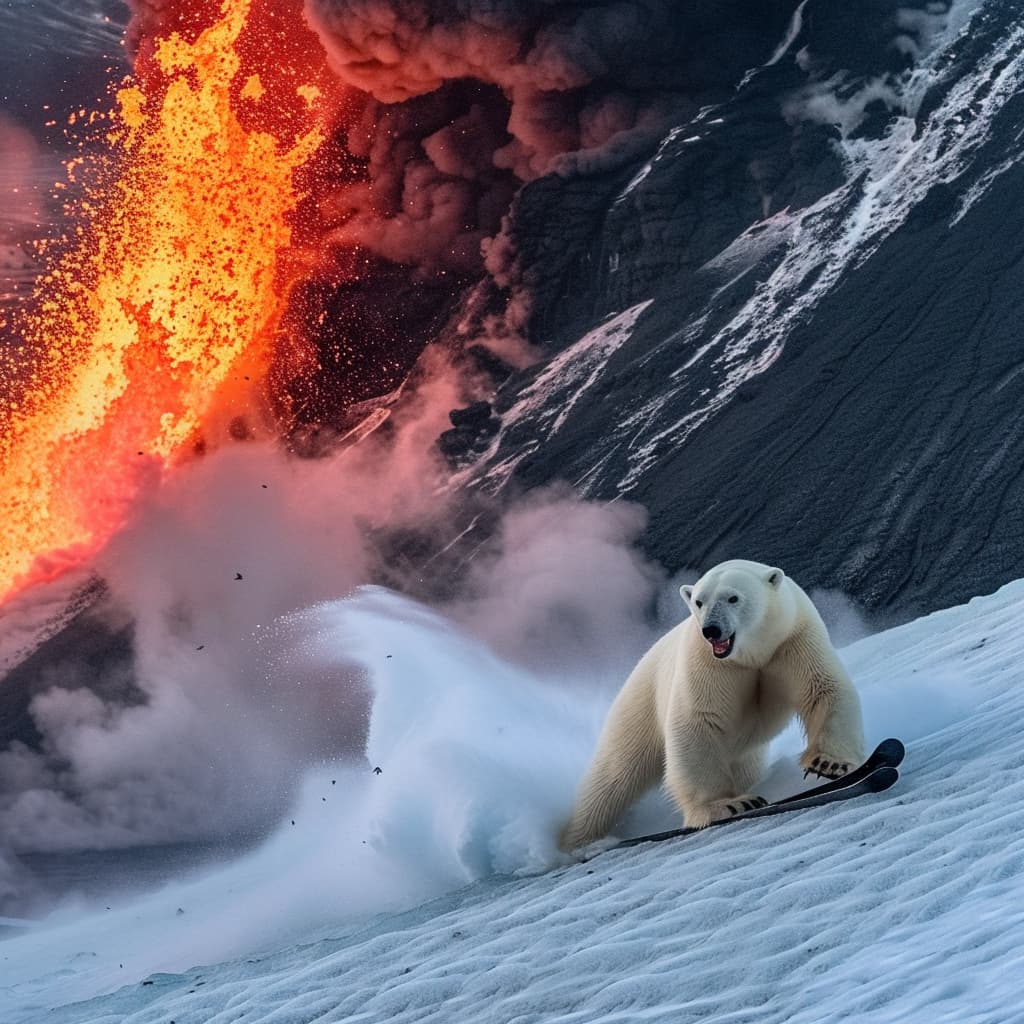
On a clear day in Vancouver you can see Mount Baker to the southeast, a big white cone sitting over the Fraser Valley. It's in Washington State, it's an active volcano, and the ski area on its northeast flank gets more snow than almost anywhere in the world. For a lot of Vancouver skiers it's the closest thing to a powder trip that doesn't need a flight.
A few things work differently at Baker, though, starting with how you buy a ticket.
How much is a lift ticket at Mount Baker?
For the 2026-27 season, Mt. Baker Ski Area lists an adult day ticket (ages 16 to 59) at:
- $115.42 USD on peak days (Friday to Sunday and holidays)
- $98.80 USD off-peak (Monday to Thursday)
Those are before Washington's 8.3% sales tax, so you'll pay $125 or $107 USD at the window. At the exchange rate Canadian cards were getting in late 2026 (about 1.38 to 1.40 CAD per USD), that's roughly $174 CAD on a weekend and $149 CAD midweek, before your bank's foreign transaction fee. For comparison, the 2025-26 adult price was $94.27 USD before tax, so it's gone up a fair bit.
The bigger difference is that Baker doesn't sell day tickets online. There's no advance purchase and no reservation system (their page says reservations are "NOT required (or offered)"). You pay at the ticket window on the day. On a powder Saturday that means a line, so get there early. It also means you can decide the night before, based on the forecast, without losing money on a ticket you bought a week out.
Baker isn't on the Epic or Ikon pass, so your Whistler pass doesn't help here.
Getting there from Vancouver
Plan on 2 to 2.5 hours from Vancouver, plus whatever the border throws at you. The usual route is Highway 1 east to Abbotsford, Sumas Way (exit 92) south to the Sumas crossing, then across to the Mount Baker Highway (SR 542). The ski area is at the very end of 542, past the town of Glacier, where the road climbs into Heather Meadows.
A few things to sort before you go:
- Passports or NEXUS for everyone in the car. NEXUS makes the morning crossing much faster.
- Check the border wait times before you leave. On long weekends the Sumas line can easily add an hour.
- The last stretch of 542 is steep, narrow and often snowy. Washington wants traction tires or chains on board when signs say so, and Baker's own road report is worth checking before you leave.
- There's no lodging at the ski area. Glacier has a few cabins and rentals if you want to stay over and get first chair.
The snow
In the 1998-99 season Mount Baker recorded 1,140 inches of snow, about 29 metres. That's still the world record for snowfall in one season at a measuring station, and Baker lists it on its snowfall stats page. Normal years are nowhere near that, but the average is still huge for a ski area at this low an elevation.
Coastal snow means it's often heavy and wet, the "Cascade concrete" everyone jokes about. On the right day after a cold storm it's deep and fast, and that's when the place gets busy. Baker's terrain leans steep, with a lot of tree skiing, gullies and side-country right off the lifts. There are beginner runs too, but people don't drive across a border for those.
Every February Baker also runs the Legendary Banked Slalom, a snowboard race down a natural halfpipe that's been going since 1985. If you're a snowboarder it's worth knowing about, even just to watch.
Is it safe to ski on an active volcano?
Yes. Mount Baker is part of the Cascade Volcanic Arc, the same chain as Mount St. Helens and Mount Rainier, and it's classed as active. Its last small eruptions were in the 1800s. In March 1975 steam venting from Sherman Crater jumped, and for a few months people worried an eruption was coming. The New York Times covered it at the time. It didn't erupt.
Today the USGS Cascades Volcano Observatory and the Pacific Northwest Seismic Network monitor the mountain. You'll still see steam coming off the summit on clear days. That's normal for Baker.
The real hazards on a ski day are the usual ones: tree wells in deep snow, avalanche terrain once you leave the boundary, and the road home in the dark. Ski with a partner in the trees.
The mountain's other names
Long before it was named after a British naval officer, the mountain had its own names. The Lummi people call it Koma Kulshan (often shortened to Kulshan), and the Nooksack name is Kweq Smaenit. The meaning of Kulshan is debated, so I won't guess at a translation here. It's a sacred mountain for both nations, whose lands reach across what's now the Canada-US border.
Is it worth the drive?
If you're comparing it with Cypress or Seymour, Baker costs more and takes longer. You're paying for snow depth and terrain that the North Shore mountains rarely get. A midweek day after a big storm, when you can get there early and skip the weekend line, is when it makes the most sense.
Go on a forecast, bring your passport, and don't forget your ticket money is in US dollars.